The phrase "top shelf cannabis" gets thrown around constantly. Dispensaries print it on signs. Brands stamp it on labels. However, the term has a specific meaning in California's regulated market — and that meaning matters if you spend money on flower. This guide explains what top shelf cannabis actually is, how to identify it on a dispensary shelf, and why the price spread exists. We will skip the marketing and stick to what you can verify.
The shorthand: top shelf cannabis is the highest-quality flower a dispensary stocks. But "highest quality" is not vibes. It is a set of measurable, repeatable qualities. Therefore, learning to read those qualities saves money and prevents disappointment.
What Top Shelf Cannabis Actually Means
Top shelf cannabis refers to flower grown, cured, and packaged with the most care a brand offers. The term originated in the bar industry — top shelf liquor is the premium, name-brand stuff stored on the highest, most visible shelf. The cannabis industry borrowed the language directly.
For instance, top shelf cannabis is typically:
- Indoor or mixed-light grown — controlled environment, not field-grown
- Hand-trimmed — machine trim damages trichomes
- Slow-cured — moisture pulled out gradually over fourteen to sixty days
- Properly stored — sealed jars, controlled humidity
- Tested and labeled — terpene and cannabinoid profile available
In contrast, mid-shelf and value-shelf flower may skip one or several of these steps. As a result, the smoke, smell, and effect change noticeably.
How to Tell Top Shelf Cannabis on the Shelf
A dispensary shelf is a museum of options. However, top shelf cannabis tells on itself with a few visual and sensory checks.
First, look at the trim. Top shelf flower is hand-trimmed. The leaves come clean off the bud, and the structure stays intact. Machine-trimmed flower has chewed-up edges and exposed inner stems. The difference is obvious once you know what you are looking for.
Second, smell the jar. Top shelf cannabis hits the nose from across the counter. The terpene profile is loud — gas, citrus, fruit, pepper, depending on the strain. In addition, the smell should not be hay-like or grassy. Hay smell means the flower was rushed through cure or stored badly.
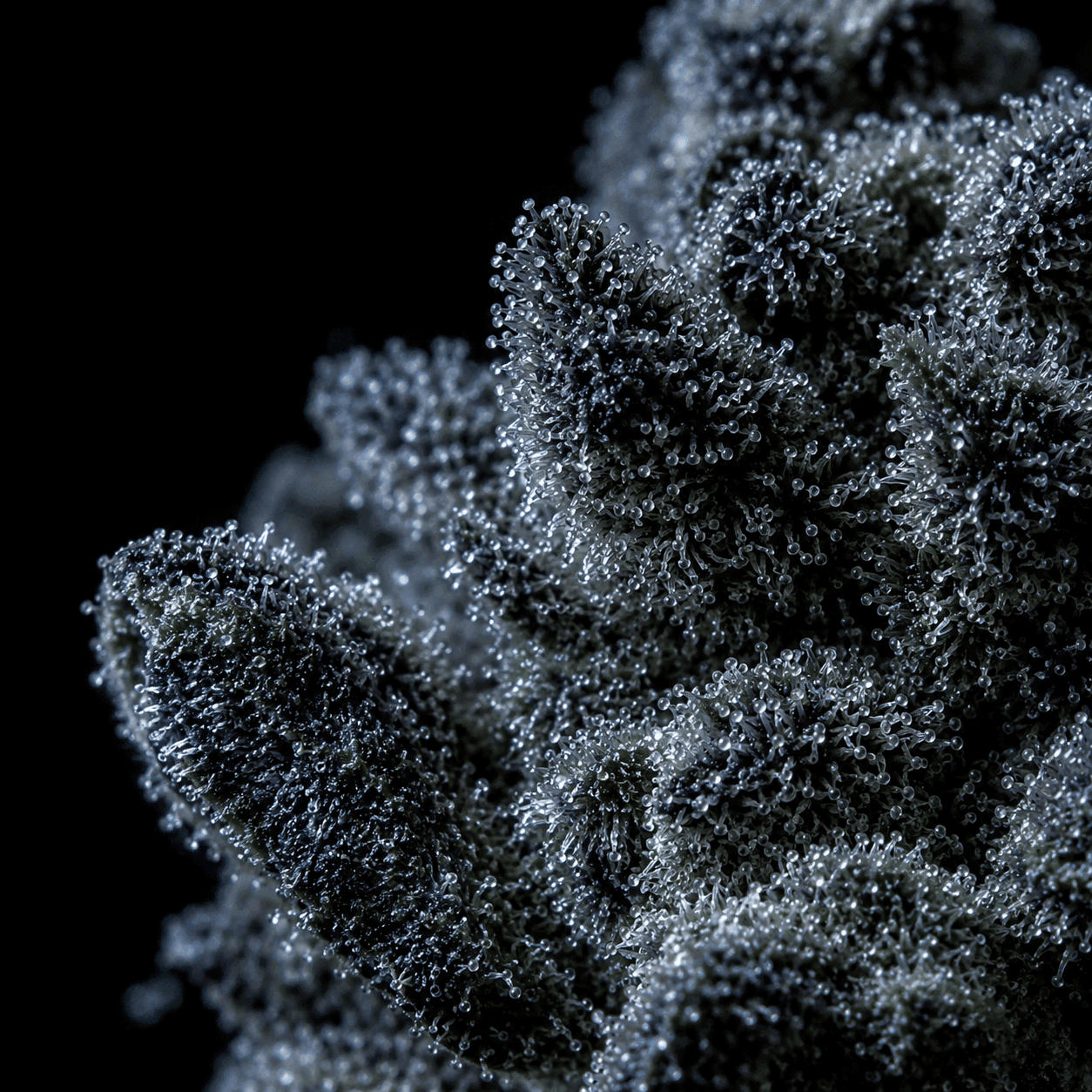
Third, check the trichome coverage. Top shelf flower is frosted with crystalline trichomes that catch the light. Sparse or browned trichomes signal age, light damage, or poor handling. Therefore, ask the budtender to show you the buds in the jar before purchase.
Why Top Shelf Cannabis Costs More
The price spread is real. In California, top shelf cannabis typically runs fifty to one hundred percent more per gram than mid-shelf at the same dispensary. There are a few reasons for that.
Indoor cultivation is expensive. Lights, climate control, water, labor, and security stack up. Furthermore, indoor flower yields less per square foot than outdoor or greenhouse grows. The economics force a higher price point.
Hand-trimming adds labor cost. A skilled trimmer can do maybe one to two pounds a day. Machine trimming handles a hundred times that. Consequently, the labor difference shows up directly in the gram price.
Slow cure ties up inventory. A grower who cures for thirty to forty-five days has cash sitting in jars instead of moving product. As a result, that opportunity cost gets baked into wholesale pricing.
In short, top shelf cannabis costs more because the inputs cost more. The brands that charge for it pass through the math.
Top Shelf vs Mid Shelf vs Value Shelf
For perspective, here is how the tiers typically break down at a California dispensary:
- Top Shelf — indoor, hand-trimmed, slow-cured, full terpene panel. Premium price. Distinct strain personality.
- Mid Shelf — mixed-light or quality outdoor, machine-trimmed or partial hand, shorter cure. Moderate price. Solid product, less character.
- Value Shelf — outdoor, machine-trimmed, fast cure. Lower price. Lower potency, simpler effect, often older stock.
There is no shame in any tier. Plenty of seasoned consumers buy across the spread depending on the use case. However, knowing what you are buying — and why it costs what it costs — is a basic literacy worth having.
Strain Choice on the Top Shelf
Top shelf cannabis covers every strain class — indica, sativa, hybrid, CBD-dominant. The shelf designation is about quality, not effect. Therefore, do not assume top shelf means heavy-hitting. A top shelf low-THC sativa is still top shelf if the cure and trim are right.
For instance, an eighteen percent THC top shelf hybrid with a complex terpene profile often beats a thirty percent THC mid-shelf strain on the actual experience. The numbers on the label tell part of the story. The cure tells the rest.
Additionally, terpenes drive a huge portion of the felt effect. Limonene, myrcene, pinene, beta-caryophyllene — these compounds shape mood, body sensation, and flavor as much as cannabinoids do. A top shelf brand will publish the full terpene panel. Use it.
How to Buy Top Shelf Cannabis Without Getting Burned
Money goes a long way at a dispensary if you know what to ask. Use this short checklist:
- Ask for the harvest date. Top shelf flower is best within four to six months of harvest.
- Smell before you buy when the dispensary allows it. A loud nose is a good sign.
- Check the trim for hand vs machine. Hand looks clean; machine looks chopped.
- Read the terpene panel on the COA when available. Single-digit total terpenes usually means bland.
- Note the brand that made it. Top shelf brands tend to repeat — you are paying for consistency.
In addition, build a relationship with one or two budtenders. Tell them what you liked and did not. Over time, they will steer you toward the top shelf cannabis brands that fit your palate, not just the brand pushing the biggest spiff.
Final Word on Top Shelf Cannabis
Top shelf cannabis is not a marketing label. It is a quality category with repeatable, verifiable signals. Once you know how to spot it — by trim, smell, trichome coverage, cure, and terpene profile — you stop overpaying for hype and underbuying real craft.
The good news for California buyers: the state has the deepest top shelf cannabis bench in the country. The brands that take craft seriously sit on the shelves of dispensaries from San Diego to Eureka. Use the locator, ask the budtenders, and trust your nose. The rest is rotation.